How To Get Zumba Certified: Everything You Need To Know
Zumba is a dance-adjacent exercise technique that is enjoyed by over 15 million weekly participants. While it was born in the mid-90s, now is the most convenient time to become an instructor.

Like TRX,yoga, and other group exercise techniques, you need certification to legally and effectively run a class or studio.
As personal trainers ourselves, we know the drill. Let’s walk through how to get ZumbaCertification, including the costs and due process. et’s explore the process of Zumba instructor training, including requirements, costs, and how to position yourself for long-term success.
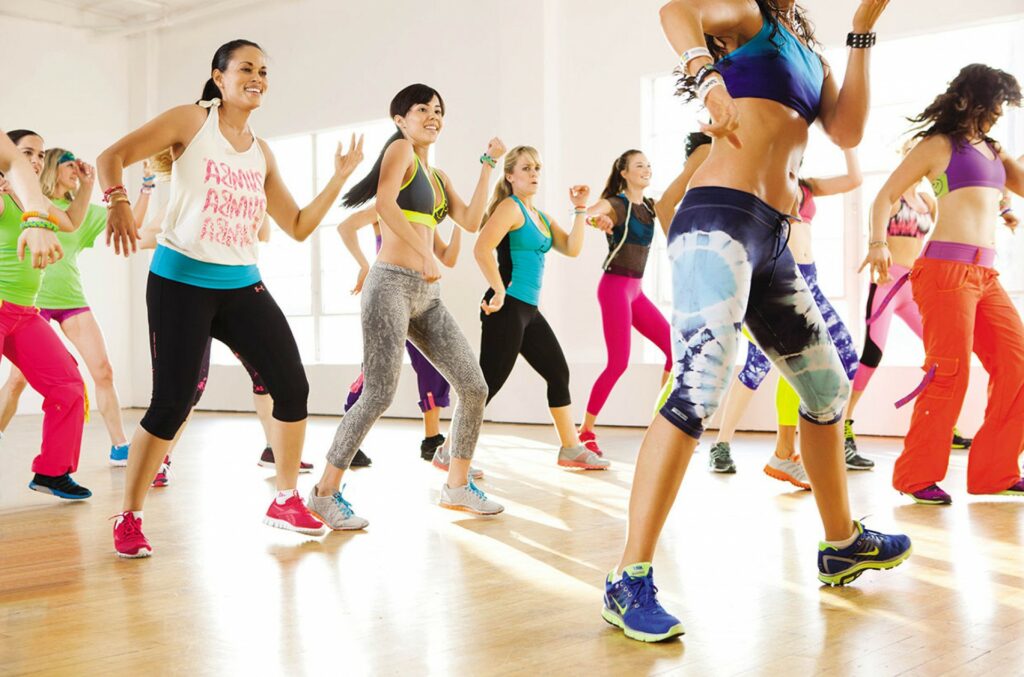


Walk into almost any gym across the globe and you’ll hear it before you see it: high-energy Latin beats, cheering participants, and an instructor leading what looks more like a dance party than a workout. That atmosphere is exactly why Zumba has become one of the most recognized group fitness programs in the world.
The program was created in the late 1990s by Alberto “Beto” Pérez, a Colombian dancer and choreographer who accidentally forgot his traditional aerobics music and improvised a class using Latin rhythms instead. That spontaneous moment turned into a global fitness movement now taught in more than 180 countries.
How Zumba Works: The Interval Formula Behind the Fun
At its core, Zumba is an interval-style cardio workout. It alternates between high-intensity dance sequences and lower-intensity recovery movements. This format keeps the heart rate elevated while preventing early fatigue which is one reason participants can sustain energy throughout the session.
As I’ve seen in the fitness industry, programs that blend structure with enjoyment tend to outperform rigid workout models. Zumba’s formula allows beginners to follow along while still challenging more experienced participants.
How Many Calories Does Zumba Burn?
Because of its interval design, Zumba can be a highly effective calorie-burning workout. Research has shown participants may burn between 300 and 900 calories per hour depending on intensity, body weight, and fitness level.
The combination of aerobic conditioning, coordination work, and muscular endurance makes it more than just dancing; it becomes a total-body cardiovascular session.
Why Participants Keep Coming Back
The reason Zumba remains globally popular isn’t just calories, it’s psychology.
Participants love it because:
- It feels inclusive and welcoming
- No advanced dance experience is required
- The music boosts mood and reduces stress
- Classes create a sense of community
From an instructor’s perspective, that emotional connection matters. When people associate exercise with enjoyment instead of obligation, attendance improves, referrals increase, and retention grows.
As someone deeply involved in trainer development, I’ve noticed that group programs rooted in music and community tend to generate stronger loyalty than purely performance-based workouts. That loyalty is what helped Zumba scale worldwide and it’s what continues to make it attractive for aspiring instructors.
Why I Recommend Zumba as a Smart Entry Into the Fitness Industry
Breaking into the fitness industry can feel overwhelming. Between advanced certifications, specialty niches, and business logistics, many aspiring trainers delay getting started. But not every path requires years of preparation. In my experience mentoring fitness professionals, Zumba offers one of the most accessible entry points into the industry.
Eddie Lester often tells new trainers that momentum matters more than perfection. Starting with a format that allows you to teach quickly while building confidence can accelerate long-term success.
Low Barrier to Entry
Unlike many advanced fitness credentials, Zumba does not require prior certification or a formal fitness background. You must be at least 18 years old to enroll, but there are no mandatory prerequisites.
While a dance or group exercise background can be helpful, it’s not required. This accessibility removes a major psychological barrier for individuals who love movement but may not yet feel ready to pursue a full personal training certification.
Fast Certification Process
One of the biggest advantages is speed. The Basic Level 1 training can be completed in as little as one day (around 8–10 hours depending on format). After completing the training, you receive your license to begin teaching.
As I’ve seen in the fitness industry, faster certification pathways allow new instructors to gain real-world experience quickly. Teaching early builds confidence, stage presence, and leadership skills that no textbook can replicate.
Strong Community Appeal
Zumba classes naturally create community. The music-driven format, synchronized movement, and upbeat atmosphere encourage interaction and consistency. Participants don’t just attend for exercise, they return for the experience.
From a business standpoint, this is powerful. Programs that foster connection typically retain members longer and generate word-of-mouth referrals more effectively than solo training models.
Eddie Lester often reminds trainers that community-based formats can reduce marketing costs because your students become your promoters.
Scalable Income Potential
Zumba also provides scalable earning opportunities. Instructors can begin part-time teaching a few weekly classes and gradually expand into:
- Hosting special events
- Running themed workshops
- Offering private sessions
- Adding additional class formats
Because classes are group-based, income is not capped the same way one-on-one training can be. With consistent attendance, revenue grows alongside class size.
Flexibility Across Teaching Environments
Another reason I recommend Zumba as a starting point is flexibility. Instructors can teach in multiple settings:
- Commercial gyms
- Private studios
- Community centers
- Schools
- Corporate wellness programs
- Virtual platforms
This versatility allows instructors to test different environments before committing to a long-term business model. Whether you prefer structured employment at a gym or entrepreneurial independence, Zumba fits both paths.
For those exploring their place in the fitness industry, beginning with a format that blends accessibility, community, and earning potential can create both confidence and clarity about your long-term direction.
How to Become a Zumba Instructor (Step-by-Step Breakdown)
Starting a career in group fitness doesn’t have to be complicated. One reason I often suggest Zumba to aspiring instructors is because the pathway is clearly structured and beginner-friendly. Below is the practical roadmap to getting licensed and ready to teach.
Step 1 – Meet the Basic Requirements
Before enrolling in training, you’ll need to confirm a few simple eligibility standards.
Age Requirement (18+)
You must be at least 18 years old to register for instructor training. There are no advanced academic or fitness prerequisites required.
No Formal Prerequisites
Unlike many personal training certifications, you do not need prior credentials to begin. You don’t have to hold a CPT license or complete a degree in kinesiology.
Dance Background (Helpful but Not Required)
While rhythm and coordination can make the transition smoother, they are not mandatory. As I’ve seen in the fitness industry, enthusiasm and willingness to learn often matter more than technical dance experience.
Eddie Lester often reminds trainers that confidence develops through repetition not perfection on day one.
Step 2 – Complete Basic Level 1 Instructor Training
The official entry point into teaching is the Basic Level 1 Instructor Training, offered through the program’s authorized platform.
What You Learn
During this training, instructors are taught:
- The four core rhythms (salsa, merengue, cumbia, reggaeton)
- Foundational step patterns
- How to structure a full class
- Cueing techniques and stage presence
- The Zumba interval formula
This training focuses on practical application so you can lead classes confidently.
Duration
The Basic Level 1 course can typically be completed in a single day, usually around 8–10 hours depending on format. This makes it one of the faster entry points into group fitness instruction.
Training Formats
You can choose the format that fits your schedule and learning style:
- In-person workshops
- Live virtual training sessions
- Self-paced online modules (when available)
This flexibility allows you to begin regardless of location.
Step 3 – Earn Your Zumba License
After successfully completing Basic Level 1 training, you receive a license that permits you to begin teaching official classes.
What the License Allows
With your license, you are permitted to:
- Teach official Zumba classes
- Use branded choreography frameworks
- Promote yourself as a licensed instructor
This license is typically valid for six months following training.
Certification vs. License – What’s the Difference?
Many people use these terms interchangeably, but there is a distinction:
- Certificationrefers to completing the training program.
- Licensegrants you the legal right to teach under the brand name.
Understanding this difference is important for clarity and compliance.
Step 4 – Join the ZIN™ Network (Optional but Powerful)
After becoming licensed, many instructors choose to join the ZIN™ (Zumba Instructor Network) membership program.
While technically optional, it offers significant advantages.
Key Benefits
- Extended teaching rights while membership remains active
- Access to ongoing education
- Community networking with instructors worldwide
Monthly Music & Choreography Access
Members receive new music and ready-to-use choreography each month. This helps keep classes fresh without requiring instructors to constantly create new routines from scratch.
From a business standpoint, updated material improves retention and client satisfaction.
Marketing Materials
ZIN members gain access to branded promotional tools, instructor listings, and marketing support to help attract students.
Eddie Lester often emphasizes that marketing support is what separates hobby instructors from long-term professionals.
Ongoing Support
The network provides community access, event invitations, and additional specialty training opportunities. For new instructors, that guidance can significantly reduce the learning curve.
Let’s Dance - Start Your Zumba Instructor Training Journey
A successful Zumba class and Zumba business require plenty of certification, patience, and initiative, but the result is rewarding. Motivated teachers rake in over $60,000 per year, turning a craft they love into a full-time position. Zumba.com is the best place to st
art on your journey toward your unique class or studio.
And if you want to become a world-class personal trainer, look no further than Fitness Mentors. We have everything you need to become a certified personal trainer or exercise coach. Get started today and turn your love of exercise into a profitable career.
Check out our latest: How to Become an Exercise Physiologist
Zumba Certification Cost (Full Breakdown & What to Expect)
- Basic Level 1 cost range
- Advanced format pricing
- Early registration discounts
- ZIN membership cost
- Renewal options
How I Suggest New Zumba Instructors Find Clients Faster
One of the biggest challenges new Zumba instructors face is building a student base. In my experience mentoring fitness professionals, the fastest way to grow your classes is a combination of strategy, visibility, and consistency. Eddie Lester often emphasizes that a structured approach to client acquisition separates hobbyists from career instructors.

Eddie Lester
Read more from the category
A Comprehensive Guide to The USAW Certification
How to Become an Exercise Physiologist